
Cost of Moving to the UK From America: Complete Budget Breakdown

How much does it really cost to move to the UK from America? This is a tricky question to answer because a lot comes down to details like whether you have an employer covering some of your relocation costs.
When we moved, I got way too focused on the initial moving expenses like visa fees and flights. This meant I underestimated the cost of things like getting new furniture and paying rental deposits before a first paycheck.
In the years since that move, we’ve moved house a few times and I’ve learned a lot about what things cost and what to expect. Here’s what you need to include in your move from America to the UK budget.
This article contains affiliate links, which means that I may earn a small commission when you make a purchase. Affiliate links cost you nothing to use, and they help keep my content free – a win-win! For more information, see the affiliate disclosure.
Quick Answer: How Much Money Should You Save Before Moving to the UK?
We’ll get into the details below, but here’s a quick estimate for a few common scenarios:
- Single person moving to London: £12,000-15,000
- Couple moving to Edinburgh: £13,000-16,000
- Family of 4 moving to Oxford: £25,000-30,000
GET READY TO MOVE ABROAD WITH THESE TOOLS
✅ Be ready to drive in a new country with Tripiamo’s comprehensive video driving guides.
✅ Find rental flats and homes for your exploratory trip with VRBO or Booking.com
The Biggest Costs of Moving to the UK
When I moved to the UK, some of the biggest expenses weren’t the ones I expected. While visa fees and travel costs may be top of mind, they aren’t the only factors to consider. Housing, setup costs, and the gap before your first paycheck can also have an impact on your budget.
In this section, I’ll break down the costs you need to consider and provide estimates or research tips so you can calculate an accurate budget for your move.
Visa and Immigration Costs
Visa costs represent one of the first major expenses of your move.
Depending on your immigration route, you may need to budget for:
- Visa application fees: varies from a few hundred pounds to over £1,000
- Immigration Health Surcharge (IHS): £1,035 for most adult applicants
- Biometric appointments: free in core locations, £76.50/applicant in premium processing centers
- Immigration attorney fees: varies depending on visa type and case details
Some employers reimburse these expenses, so it’s important to clarify what will be covered if you are moving for work.
If you’re moving on a family, spouse, student, or self-funded route, make sure you understand the full cost of the visa process before committing to a move timeline.
Travel and Relocation Costs
Your relocation costs may be minimal or substantial depending on how much you plan to bring with you.
Potential expenses include:
- One-way flights
- Extra baggage fees
- Shipping personal belongings
- Pet relocation costs
- Temporary accommodation upon arrival
When I moved back to the UK, we dramatically reduced our moving costs by selling most of our furniture and many household items before the move. However, we also moved our dog and cat with us, which turned out to be one of our largest moving expenses.
Moving Tip: Check out my guide to packing for your move to the UK for more on the tactics I used to pare down our belongings.
Housing Expenses



Housing will likely be the largest expense associated with your move.
If you’re renting, you’ll generally need to budget for:
- A rental deposit (typically five weeks’ rent)
- Your first month’s rent
- An additional one to two months of rent as a buffer
For example, if you’re moving into a home charging £2,000/month, I would budget:
- £2,300 deposit
- £2,000 first month’s rent
- £2,000 minimum additional one month rent buffer
- TOTAL: £6,300
It used to be common for landlords to request 6 months’ rent up front from new tenants who don’t have established UK credit. However, a 2025 law change has made that practice unlawful. You should never be asked to pay more than your deposit plus first months’ rent.
I still recommend having enough savings to cover your deposit plus one to two additional months of rent. You won’t have to pay this much up front, but this provides a safety net while you’re settling into your new home.
To estimate housing costs, spend time browsing Rightmove and Zoopla. This will give you a realistic picture of both rental prices and availability in your target area.
Housing costs vary dramatically across the UK. London is the most expensive market, and the southeast of England is more expensive in general than northern parts of the country. Cities like Edinburgh and Manchester are less expensive than London, but still more expensive than many country towns and villages.
Everyday Living Expenses



Everyday expenses tend to sneak up on you. Things like having a bed to sleep in and a decent internet connection aren’t the kinds of purchases you feel like you have tons of time to research when you need them right now.
In my experience, groceries are often less expensive than in the United States but utility costs can be higher.
If you’re trying to keep costs low, look to local charity shops (UK versions of thrift stores) for good quality furniture and housewares for cheap. Most of the time they’ll even deliver to your home for a flat fee.
Try browsing online shops in advance to see pricing for home goods that match your style and taste. Retailers to check out include: John Lewis (similar to Nordstrom) and Dunelm (similar to Target home goods).
When planning your budget, don’t forget to account for:
- Groceries
- Mobile phone service
- Internet
- Household supplies
- Clothing
- Entertainment
- Dining out
These expenses add up quickly during the first few months when you’re replacing items and getting settled.
Transportation Costs


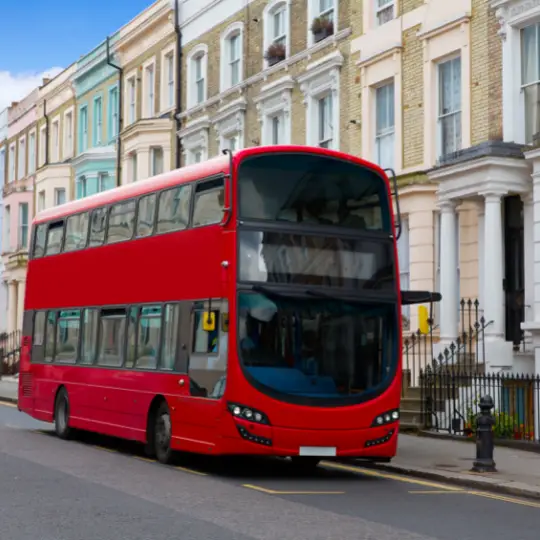
Transportation costs depend heavily on where you choose to live and whether or not you buy a car.
If you’re moving to London, you may find that you don’t need a car at all. Public transportation is extensive, and many London residents rely entirely on trains, buses, and the Underground.
Outside major cities, car ownership becomes much more common.
When researching potential locations, I recommend looking at commute times as well as housing prices. A lower rent payment may not feel like a bargain if it results in a lengthy and expensive commute.
Useful tools include:
- Transport for London (TfL) for London Tube fares between zones
- Zoopla’s commute estimator
- Omio for estimating train or bus fares outside major cities
Don’t Forget the Income Gap
One factor that’s easy to overlook is the gap between arriving in the UK and receiving a paycheck.
If you are moving to the UK for work, know that most UK employers pay monthly rather than biweekly. Depending on your start date, you may wait several weeks, or even over a month, before receiving your first full paycheck.
This is one of the main reasons I recommend budgeting extra rent and living expenses before moving.
You’ll also need time to:
- Open a UK bank account
- Transfer money internationally
- Set up direct debits
- Establish your new financial routine
Having a cash cushion can make this transition significantly less stressful.
Realistic Moving Budget Examples
The examples below are designed to illustrate common relocation scenarios. Your actual costs will vary based on your circumstances.
Example #1: Single Professional Moving to London
Assumptions
- One adult
- Renting a one-bedroom flat
- No pets
- Minimal household shipping
- Using public transportation
| Expense | Estimated Cost |
| One-way flight from US | £700 |
| Excess baggage / moving costs | £300 |
| Rental deposit | £2,100 |
| First month’s rent | £1,800 |
| Rent buffer (2 additional months) | £3,600 |
| Utilities & internet setup | £200 |
| Groceries & household essentials | £500 |
| Public transportation | £200 |
| Furniture & household purchases | £750 |
| Emergency fund | £1,500 |
| Total | £11,650 |
Recommended savings target: £12,000–£15,000
Example #2: Couple Moving to Edinburgh
Assumptions
- Two adults
- Renting a one or two-bedroom flat
- Some personal belongings shipped
- Primarily using public transportation
| Expense | Estimated Cost |
| Two one-way flights from US | £1,400 |
| Shipping personal belongings | £1,500 |
| Rental deposit | £1,750 |
| First month’s rent | £1,500 |
| Rent buffer (2 additional months) | £3,000 |
| Utilities & internet setup | £250 |
| Groceries & household essentials | £800 |
| Public transportation | £180 |
| Furniture & household purchases | £1,000 |
| Emergency fund | £2,000 |
| Total | £13,380 |
Recommended savings target: £13,000–£16,000
Example #3: Family of Four Moving to Oxford
Assumptions
- Two adults
- Two children
- Renting a three-bedroom home
- Shipping some household goods
- Purchasing a used vehicle after arrival
| Expense | Estimated Cost |
| Four one-way flights from US | £2,800 |
| Shipping household goods | £3,000 |
| Rental deposit | £2,650 |
| First month’s rent | £2,300 |
| Rent buffer (2 additional months) | £4,600 |
| Utilities & internet setup | £300 |
| Groceries & household essentials | £1,200 |
| Transportation costs | £300 |
| Furniture & household purchases | £1,500 |
| Used vehicle purchase | £8,000 |
| Emergency fund | £3,000 |
| Total | £29,650 |
Recommended savings target: £25,000–£35,000+
Ways to Reduce Your Moving Costs
While moving to another country is never cheap, there are ways to reduce your expenses.
You may be able to save money by:
- Bringing fewer belongings
- Delaying major furniture purchases
- Using public transportation before buying a car
- Choosing a lower-cost city or region
- Negotiating relocation assistance with your employer
The more flexibility you have, the easier it becomes to control your overall moving costs.
What I Learned From Moving to the UK Twice
After moving to the UK twice, the biggest thing I learned about budgeting was to make sure I considered smaller purchases as much as the big obvious ones.
For most Americans, housing, relocation logistics, and the period before receiving UK income represent the largest financial hurdles. Doing some research into the cost of furnishing your new home and getting around town will help you avoid a pile up of small-but-necessary surprise expenses.
By creating a realistic budget and building an adequate savings buffer before you move, you’ll be able to focus less on financial stress and more on enjoying your new home.
More Resources For Your Move Abroad
- Guide to UK Visas and Options for Moving to the UK
- How to Move From America to Europe
- Pros and Cons of Life in the UK
- How to Pack For Your Move to the UK
- Mistakes to Avoid Moving Pets to the UK
- Choosing a UK School For Your Child
- UK vs. US Housing: What to Expect
- American Guide to Driving in the UK
Pin This Post for Later!